Human problems are not something people have but something people are.
– James Hillman
Random syllables of sanity from my subterranean barometric life
Human problems are not something people have but something people are.
– James Hillman
When a person loses his or her direction of the self, he falls into a pattern in which he or she attempts to separate everything into two opposing extremes (i.e. good vs. evil, true or false, ). Also, this person will try to always agree with one of the extremes. Doing so creates tension and stress, as this person seeks to continuously either try to prove his or her opponent to be incorrect. This person will also try to convert his or her opponent to accept his views. If this person cannot convert his opponents to accept his or her views, then he tries to oppress these opponents. This reveals this person’s need to control others who are different than him or her-self, as well as his or her fear of those who are different than him or her-self. If this opponent chooses to react to this oppressor, this opponent becomes a victim to the oppressor. Soon both the oppressor and victim need each other to exist. This creates an unhealthy cycle of abuse which leads to death and little (if any) soul development, as the thought processes of both the oppressor and the victim become addictive.
— The Lakota Way
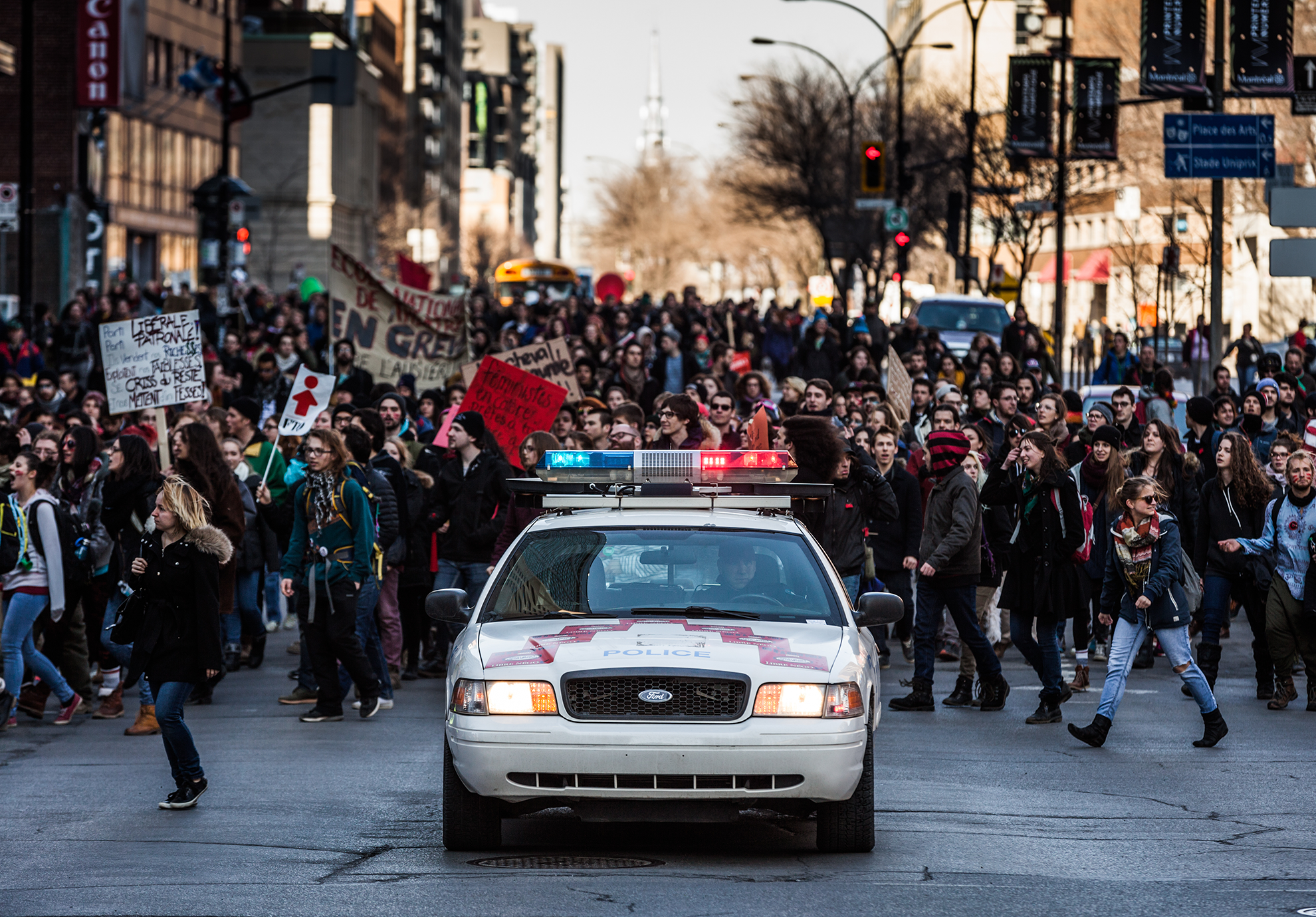
The world is drawing attention to itself by means of its symptoms, its becoming aware of itself as a psychic reality.
The world in which all subjectivities are set has fallen apart. Breakdown is in a new place – bank scandals with government collusion, pollution and street crime, the loss of literacy and the growth of junk, deceit, and show. We now encounter pathology in the psyche of politics and medicine, in language and design, in the food we eat. Sickness is now “out there”.
Hence, to call a business “paranoid” means to examine the way it presents itself in defensive positions, in systematization and arcane codes, its delusional relations between its product and the speaking about its product, often necessitating gross distortions of the meanings of such words as good, honest, true, healthy, etc. To call a building “catatonic” or “anorexic” means to examine the way it presents itself, its behavioral display in its skinny, tall, rigid, bare-boned structure, trimmed of fat, its glassy front and desexualized coldness and suppressed explosive rage, its hollow atrium interior sectioned by vertical shafts. To call consumption “manic” refers to instantaneity of satisfaction, rapid disposal, intolerance for interruption (flow-through consumption), the euphoria of buying without paying (credit cards), and the flight of ideas made visible and concrete in magazine and television advertising. To call agriculture “addictive” refers to its obsession with ever higher yields, necessitating ever more chemical energizers (fertilizers) and mass killers (pesticides, herbicides) at the expense of other life forms and to the exhaustion of agriculture’s earthen body.
– James Hillman –
”The irony of fate is that, what I don’t recognize as coming from Me, will be served to Me, as fate”.
Där alla tänker lika, tänks det inte mycket av någon alls.
– Walter Lippman
”När bankerna beviljar lån till sina kunder, skapar dom pengar genom att kreditera sina kunders konton.”
– Sir Mervyn King, Governor of the Bank of England 2003-2013
Varför får våra affärsbanker bestämma över, och fördela hur nästan alla nya pengar först ska användas?
Bra och överskådligt av Positive Money.
”Whoever controls the volume of money in our country is absolute master of all
industry and commerce…when you realize that the entire system is very easily
controlled, one way or another, by a few powerful men at the top, you will not
have to be told how periods of inflation and depression originate.”
― James A. Garfield
Andreas Cervenka är märkligt ensam just nu som sakkunnig ekonomijournalist i svensk media.
Varför ska det offentliga betala ränta till privata banker för att få tillgång till ett betalningsmedel som staten kan tillhandahålla till ingen eller ringa kostnad?”
— Herman Daily —
Sveriges Strategi och Framtidsminister om vårt monetära system.
”Vi måste börja ställa oss grundläggande frågor som ”borde bankerna få fortsätta skapa pengar?”
”I am grateful to Positive Money, they have done some very very interesting work, and I think it’s admirable and important that we have this debate on the future of the monetary and financial system.”
— Martin Wolf —
Alla känner till samma sanning. Våra liv består av hur vi väljer att förvränga den.br />
— Woody Allen —
Det svenska skolsystemet är i ett avseende närmast unikt och extremt i ett internationellt perspektiv. Med undantag av ett system som introducerades i Chile under general Pinochets styre, finns inget annat allmänt finansierat skolväsende som tillåter att skolor drivs av privatägda vinstdrivande bolag. En engelsk forskare betecknade det svenska systemet som så radikalt att det inte ens diskuterades under Margaret Thatchers tid som premiärminister (Thatcher och Reagan var hängivna den neoklassiska Chicagoskolan).
I Sverige går vi ett steg längre än dem i införandet av den neoklassiska ekonomiska modellen.
I bildernas överbyggnad existerar inte illusionen i egentlig mening, inte heller det materiella misstaget, och i synnerhet då inte heller illusionen om kunskap; men i synnerhet bör och kan känslan av en ny kunskap tränga ner i livets realiteter. Det sanna livet finns i materiens impulsivitet. Människoanden är sjuk mitt ibland begreppen. Begär inte av den att nå tillfredställelse, begär endast av den att vara lugn och tro att den funnit sin rätta plats.
Men riktigt lugn det är endast dåren.
— Antonin Artaud —
Det är omöjligt att läsa en tidning, likgiltigt vilken och likgiltigt från vilken dag eller månad eller från vilket år, utan att på varje rad finna tecken på den mest skrämmande mänskliga perversitet och samtidigt det mest förvånande skryt om riktighet, godhet och barmhärtighet och det mest skamlösa försäkringar om utveckling och civilisation.
Varje tidning är från första till sista raden en kedja av ohyggligheter. Krig, förbrytelser, rov, våldtäkt, tortyr, de upphöjdas brott, nationer brott, den enskildes brott, en berusning i alla världens fasor.
Och det är denna avskyvärda aperitif som den civiliserade människan varje morgon tar till sin frukost. Allt i denna världen ångar av brott: tidningen, husväggen och det mänskliga anletet.
Jag förstår inte, att man med rena händer kan ta i en tidning utan att skaka av vämjelse.